


A trip to see Liverpool is a chance to give Liverpool more than the hours between arrival and kick-off. Build the weekend around one confirmed football plan, then leave space for neighbourhoods, food and a slower morning in the city. This guide brings the stadium journey and the wider stay together, with practical choices for first-time visitors, returning supporters and groups whose interests go beyond the match.
Why travel to see Liverpool?
Liverpool’s appeal is the combination of a distinctive stadium neighbourhood and a city with music and waterfront life. Give Anfield time before the match rather than arriving only for the turnstile. Public memorial areas deserve quiet respect, even on a busy football afternoon.
Start by deciding what matters most to your group: the opponent, the atmosphere, a particular seat, an accessible route or the freedom to explore. Those priorities affect the budget and the best travel dates. A lower-profile fixture with suitable ticket availability can be a better first visit than an expensive marquee game that leaves little room for the rest of the trip.
The stadium and its setting
The venue to research is Anfield in the Anfield neighbourhood north of central Liverpool. Book any stadium tour against Liverpool’s current calendar. A tour day and a full matchday offer different access; neither should be inferred from the other.
Read the current ground map before leaving your accommodation. Note the stand, sector, gate and any separate route described for your allocation. A map pin normally identifies the building, not the entrance you need. If you are meeting friends, choose a permitted public meeting point away from the tightest turnstile queue and agree what to do if mobile reception becomes unreliable.
Tickets: choose the right route
For English club football, check whether the sale requires membership, purchase history or a ballot. General sale, a club ticket exchange and hospitality are different routes, with availability varying by fixture. A membership does not itself promise admission. For an away allocation, use the visiting club’s process rather than purchasing a home section and assuming it is suitable.
Begin with Liverpool’s official information and follow the club’s own links to its current ticket service. For football travel options, you can also explore Sportstravelonline. Compare the seller, the seat or category, the ticket-delivery timing, accommodation and change terms. Check what happens if the fixture moves, and ask how adjacent seats are handled when travelling together. Availability and inclusion depend on the actual product.
Arriving in the city
Lime Street is the main arrival point for many longer rail journeys. Liverpool John Lennon Airport serves the city; Manchester Airport is another option only after checking the onward connection. Merseytravel provides local journey planning. Matchday routes to Anfield and the northern waterfront are different.
For a short break, an arrival the day before the game usually gives a more comfortable margin than a same-day international connection. Compare the whole journey: airport or station transfer, baggage collection, check-in and time to prepare. If you arrive before your room is ready, arrange luggage storage rather than planning to take a suitcase to the stadium.
Getting to the ground and back
Use Liverpool FC’s matchday guidance and Merseytravel to compare buses, rail connections and the final approach. Anfield is not at Lime Street station, so include the onward journey and the return queue.
Plan the return at the same time as the outward journey. The walk from your seat, exit controls and queues can make a post-match journey much slower than the trip out. Save the official transport notice and the hotel address on your phone. Keep a workable alternative if the first service is full; do not make the final connection of the night your only plan.
Where to stay
The city centre around Lime Street, Liverpool ONE or the waterfront gives you restaurants and sightseeing between matches. Ropewalks suits a livelier evening; check room reviews for noise. For an Everton visit, compare the actual route to Bramley-Moore Dock instead of relying on old Goodison Park hotel advice.
Compare the total cost of the room and the journeys it adds. For a two-night stay, a slightly more central room may save several transfers and leave more time for the city. Check late check-in, luggage storage, lift access and cancellation deadlines directly. A group should agree whether easy football access or a particular evening neighbourhood matters most before booking separate hotels.
Food and the hours before kick-off
Compare a waterfront lunch with an independent meal in Ropewalks or the Baltic Triangle. Scouse is a local dish to look for if you want a regional choice. After a late fixture, identify an open kitchen in advance: a bar being open does not mean its restaurant is still serving.
Leave a meal window before the stadium journey and choose a kitchen whose service hours fit the confirmed match. A restaurant beside the ground may be busy just when you need to leave. If you want a longer local food experience, put it on the free day. Bring only items allowed by the current stadium rules, and check arrangements for essential dietary or medical needs with the venue.
Your matchday essentials
Prepare the admission ticket in the format required by the club, charge your phone and read the bag policy before leaving. Keep any required identity document available. Do not assume a screenshot works when the club uses a changing code or digital wallet pass. The official entry instructions should decide how you carry and present your ticket.
Choose clothing for the entire outing, including a queue outside and time sitting still. Read the rules on prohibited items and photography rather than guessing from another stadium. If you need step-free access, accessible seating, a companion arrangement or help with a sensory requirement, ask the club before buying. The nearest station alone does not establish an accessible route to your seat.
A suggested football weekend
Keep a waterfront walk for the free morning. On matchday, eat centrally or on a researched route, then travel north with room to spare. Choose a flexible evening meal after returning to the centre.
Use the arrival evening to settle in and try a short local walk. On the day without football, choose one substantial cultural visit and one neighbourhood meal. Matchday then has room for an unhurried breakfast, preparation and the stadium experience. This is a flexible sequence, not a claim about the fixture day: swap the city and football days once the official schedule is confirmed.
Explore Liverpool beyond the match
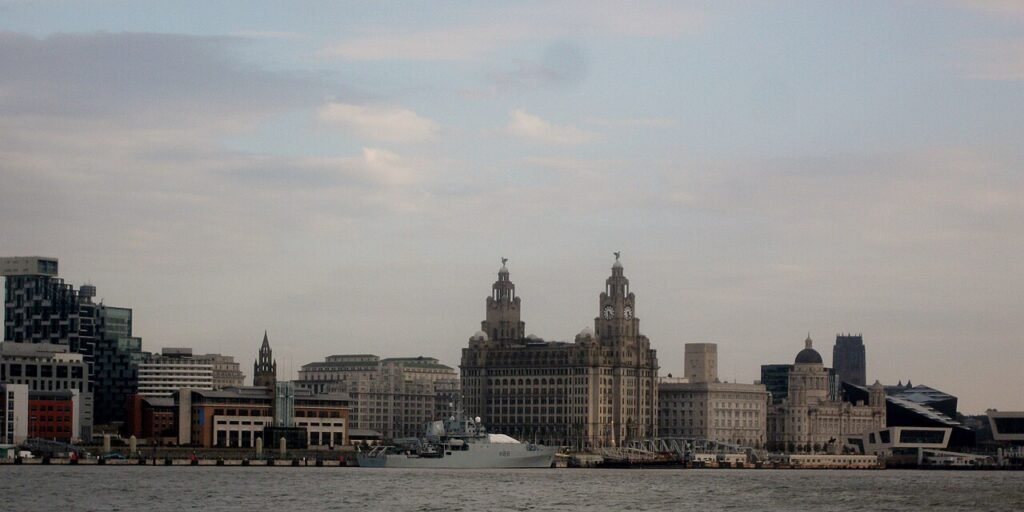
Start at Pier Head, look across the Mersey and continue towards Royal Albert Dock. The dockside makes an easy first outing after check-in because you can shorten the walk whenever the weather turns. Save another walk for the Georgian Quarter, with its streets and two contrasting cathedrals.
Music heritage can shape a whole day, but choose the museum or tour that interests you most instead of booking every Beatles-related experience. The Baltic Triangle offers a different view of the city’s creative life. Check individual venue listings before heading there for a specific event. Read the complete Liverpool city travel guide for a fuller neighbourhood plan, food ideas, arrival advice and alternatives for an extra day.
Budget, weather and a calmer departure
Budget in GBP for the ticket or travel package, accommodation, arrival transfer, local journeys, meals and the activities you actually want. Compare the complete weekend rather than a headline ticket price. Keep some room for a changed journey or an extra meal after a late finish. Currency conversion and card fees depend on your payment provider; check the terms of the card you will use.
The waterfront can feel colder and windier than sheltered city streets. Carry a warm layer for evening walks and keep an indoor alternative to a river outing.
On departure day, avoid adding a timed attraction unless the transfer margin is genuinely comfortable. Collect stored luggage early enough to deal with a queue. If your game is late the previous evening, a slower breakfast and a straightforward station journey may be more valuable than one last rushed stop.
Follow the season and plan the next visit
The tables section below helps put the trip in its season. Select the season you want and check the source, coverage and update date shown with the records. Results-based standings are useful context, but they are separate from the club’s fixture confirmation and ticket service. A table position cannot confirm that a particular game has moved or that seats are available.
Use the competition’s official website and the club for match-specific updates. If you enjoy this visit, leave a short note about the neighbourhood, travel route and type of seat that worked for you. Those observations make the next trip easier to plan without turning every return visit into exactly the same weekend.