
The Football Trips blog
A Barcelona Soccer Weekend: Match Tickets, Sightseeing and Planning
Build a Barcelona soccer weekend with match-ticket research, a flexible three-day city plan, stadium checks and practical travel advice.
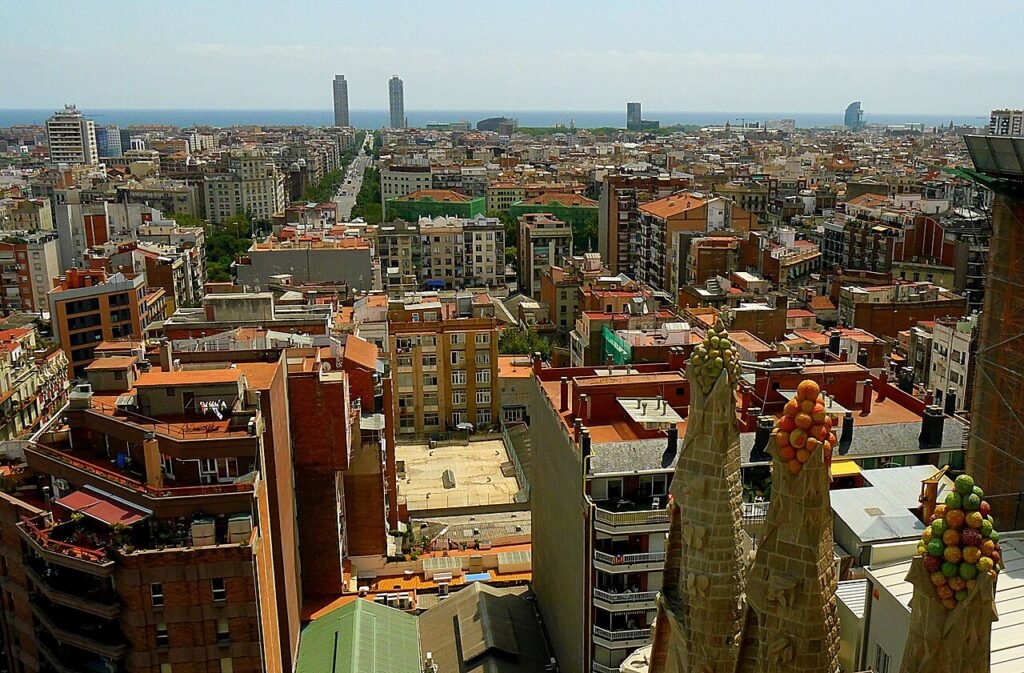
A Barcelona soccer weekend can be a city break with a match at its heart: one day of architecture, another of old streets and the waterfront, and an evening when the whole plan turns towards football. For an American visitor, the challenge is often deciding what to book first. The answer is to establish the match arrangements before fixing a sightseeing programme that leaves no room for change. Once the football has a workable place, the rest of Barcelona becomes easier to enjoy.
This guide is designed for three usable days, with the matchday moved to suit the confirmed fixture. It combines practical ticket research with a manageable city itinerary rather than an attempt to see every major attraction. Use the Barcelona destination guide for a broader introduction and the FC Barcelona club guide for the football context. Your final plan should be built around the current ticket, stadium and kick-off information for the specific match.
Decide what kind of football trip you want
Start with the club and the experience. Is the priority watching FC Barcelona, visiting the stadium, seeing a particular opponent or simply attending live football during a Barcelona holiday? A stadium tour does not replace a match, and a match ticket does not necessarily include a museum visit. Decide which elements are essential before comparing products that may sound similar but deliver different days.
If the trip is about FC Barcelona, keep the club’s own fixture and ticket pages at the centre of the research. If the group is open to other football in the area, investigate alternatives on their own terms. Our RCD Espanyol travel guide introduces another club to consider. Confirm its ground and journey separately rather than assuming that every club associated with Barcelona plays near the same sightseeing area.
Confirm the date, time and stadium
Barcelona’s official ticket listings distinguish confirmed kick-offs from fixtures whose date and time are still to be announced. Read that distinction literally. A displayed weekend window is a planning range, not a promise that the game will begin at a particular hour. Record the local date and time when they are confirmed, then check that both your arrival and departure leave a workable margin around the match.
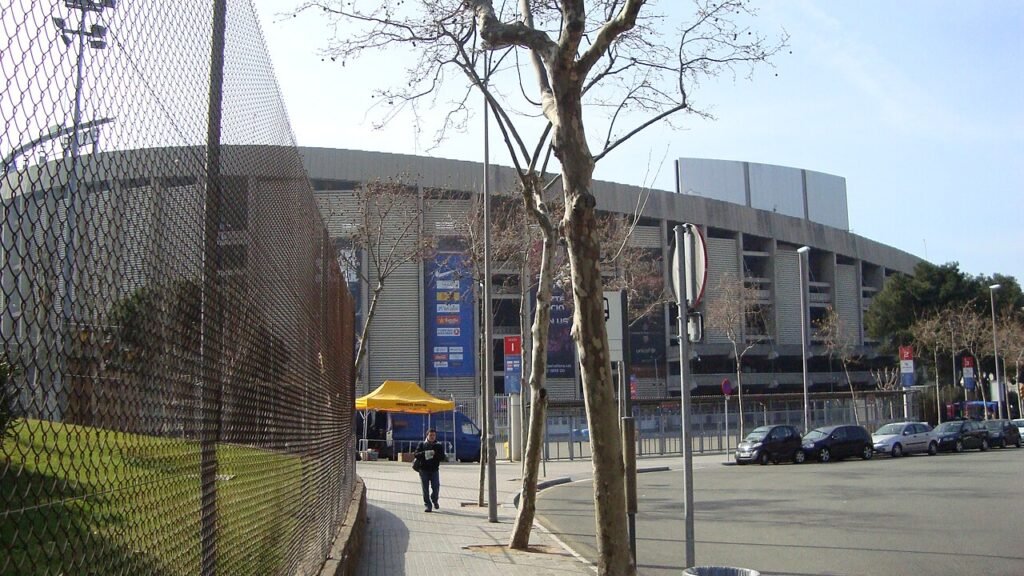
Confirm the venue on the actual fixture page and purchase confirmation. Stadium names and historic photographs can be familiar enough to create assumptions, particularly when a visitor has followed a club from abroad for years. The ground listed for your event is the one that matters for transport and accommodation. This article’s stadium photograph is labelled as an illustrative historical view; use current club information to understand the setting and access arrangements for your own visit.
Buy the product you mean to buy
Compare the direct club offer with any arranged trip in detail. Check whether the product is a match ticket, hospitality, a tour or a ticket-and-hotel combination. Look at the seat category, number of seats, whether the group sits together, delivery arrangements and conditions relating to changes. A general reference to a Barcelona experience is not enough to establish that you have a ticket for the men’s first-team fixture you intend to attend.
Write every traveller’s details carefully and read the purchase instructions before paying. If the booking involves children, accessibility requirements or a group that needs adjoining seats, resolve those points before choosing the final option. Save the confirmation and the instructions for accessing the ticket. The most valuable preparation is knowing how the arrangement works before the travel day, when a small administrative question can become harder to solve.
Explore Sportstravelonline when comparing football ticket and hotel arrangements. Use the same checklist for every quotation: fixture, venue, seats, nights, room type and exclusions. Ask how an unconfirmed kick-off or later change is handled. A clear package can simplify planning, but it still needs to be assessed as a specific booking rather than as a label that automatically includes every part of the vacation.
Choose a hotel that works beyond matchday
For a short stay, the hotel should support the whole city visit. Compare areas by the journeys you will actually make to the ground, the airport and your main sightseeing stops. A central base can be convenient for walking and meals, while a different location may make sense for the confirmed stadium. Check the route at the likely time of your return, not just during a quiet afternoon when every connection looks straightforward.
Think about daily rhythm as well as location. A late game followed by an early departure can leave little time for sleep or an unrushed airport journey. Families may value a quieter room and simple evening meals, while a group of friends might prefer staying closer to the areas where they expect to spend their evenings. Establish the room occupancy, cancellation terms and luggage arrangements before treating two hotel prices as directly comparable.
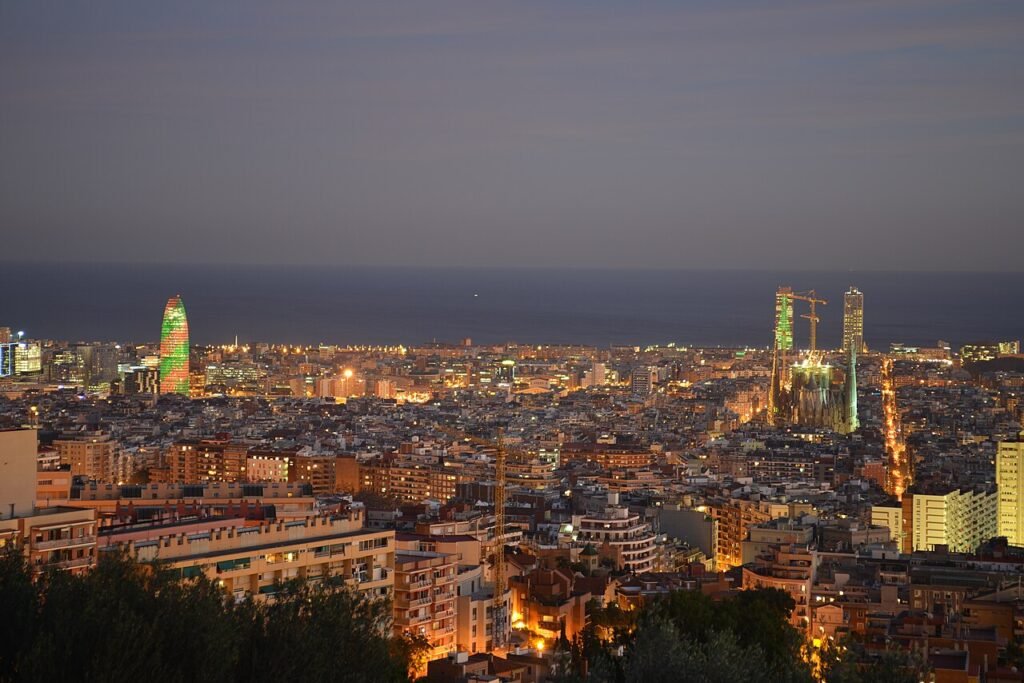
Day one: the old city and the waterfront
Begin with the Gothic Quarter and El Born, choosing a walking route that leaves time to stop rather than collecting an ambitious list of interiors. The attraction of this first day is the change of pace between narrow streets, small squares, food stops and the wider waterfront. If a museum or guided visit is particularly important, make that the day’s main reservation and let the surrounding walk remain flexible.
For an arrival day, resist the urge to book the most demanding sightseeing programme immediately after a long flight. Give yourself time to reach the hotel, store luggage and have a proper meal. A shorter first walk can still feel like a satisfying introduction. In the evening, stay near the area where you finish rather than travelling across the city to chase several unrelated recommendations. A well-placed dinner is often more valuable than another landmark.
Day two: Gaudí with room to breathe
Choose one major architectural visit as the anchor for the morning. Sagrada Família is an obvious option to research, while Park Güell or one of the houses associated with Gaudí can shape a different day. Check opening arrangements and book the product you actually want, including any guided component or additional area. Do not assume that every ticket described with an attraction’s name provides the same access.
Group the rest of the day around that choice. If you focus on the Eixample, allow time for its streets, buildings and a relaxed lunch instead of adding a distant attraction simply because it appears on a must-see list. Barcelona is enjoyable at walking pace when the plan leaves space for it. If this is the matchday, keep the major visit early enough that sightseeing can finish without compressing the stadium journey.
The matchday block
Protect a generous block around the game rather than reserving only the playing time. The trip includes the approach to the venue, finding the entrance, entry checks, the match itself and the journey away afterwards. Recheck the club’s instructions before leaving the hotel, including ticket format and bag rules. Make sure the phone carrying the ticket is charged and that the person responsible for a group booking understands how each traveller accesses their seat.
Plan the meal before or after the game according to the actual kick-off. A late start can make a rigid dinner reservation inconvenient, while an earlier game may leave a pleasant evening afterwards. Agree on a meeting point if the party separates. A visitor who is more interested in the city than the football should have an appealing independent plan, rather than discovering at the last minute that the match occupies much more than ninety minutes.
After the game, expect the surrounding transport and walking routes to be busy. Give the next commitment enough flexibility that the final whistle does not become the start of a race. Check the route back while you still have time to understand alternatives. The best matchday plan is usually one that makes arriving and leaving feel ordinary, allowing the unusual part of the day to be the experience inside the ground.
Day three: a flexible Barcelona finish
Use the remaining day for an area that complements the first two. Montjuïc can provide a different perspective from the old city, while a slower waterfront day can suit a group that has already done substantial sightseeing. Choose according to interests and energy rather than assuming that every visitor needs the same final checklist. The programme should still make sense if the match moved into this day and the other activities had to trade places.
Our Barcelona holiday article offers more ideas for filling that flexible space. Keep one attractive alternative for poor weather and one easy option for tired travellers. If the departure is on this day, calculate when sightseeing actually needs to end. A morning that looks free on a calendar may be much shorter after luggage collection and the airport journey are included.
Budget for the city and the football separately
Separate match access, accommodation, local travel, meals and sightseeing in the budget. Add any memberships, booking charges or extra hotel nights that apply to the selected arrangement. The Barcelona budget guide provides a structure for the calculation; use current quotations for your actual dates. Keep per-person costs distinct from a shared room price, and record the payment currency so comparisons remain meaningful for travellers paying from the United States.
A package should be compared with the same independent itinerary, not with an incomplete estimate that omits transfers or accommodation nights. Ask for a clear list of inclusions and the seller’s arrangements for fixture changes. For a more tailored football-led proposal, explore Gothia Sportstravel’s football trips and describe the club, group size and flexibility. The useful quotation is the one that responds to those specific needs.
If Barcelona is part of a longer vacation, browse Jettripper for wider travel inspiration once the city stay has a workable shape. Adding Madrid or another destination can be appealing, but each move uses real time for packing, travel and arrival. Protect the quality of the Barcelona days before extending the itinerary. A match, a few carefully chosen sights and good meals can make a complete short trip without another city attached.
Questions to answer before departure
Decide how much advance booking the group actually enjoys. One major reservation each sightseeing day can provide structure while leaving room for discoveries. Several timed entries create a different kind of weekend, with more attention spent on the clock. Neither approach is compulsory. Choose the rhythm deliberately and keep the matchday free from commitments that would force you to leave an enjoyable visit early or hurry towards the ground.
Is a stadium tour the same as attending a game? No. Research and book them as separate experiences, checking the date-specific tour route and access. If seeing live football is essential, confirm that the product is a match ticket for the correct fixture rather than relying on stadium imagery or a broad description.
Can we use a three-day itinerary when the match time is unknown? Yes, if the sightseeing days can move and the stay covers the range you are willing to accept. Avoid fixing every attraction and onward journey before the football arrangements are clear. The flexible elements should be genuinely movable, not merely described that way.
What should we keep together? The ticket confirmation, current stadium instructions, accommodation details and the route home. Share the essential information with the people travelling, particularly if one person manages every booking. With those basics settled, the weekend has room for both the football and the Barcelona discoveries around it.