

London
City guide
London
Explore London beyond matchday: neighbourhoods, culture, food, places to stay and a flexible city-break plan.
London deserves time on both sides of the football. The best short break has a simple shape: a useful base, one manageable sightseeing area at a time, good meals and a clear stadium journey. This guide is designed for a city stay built around a match, but it also works for travelling companions who want more than ninety minutes in the stands. Treat the suggested sequence as flexible until the fixture is confirmed.
Get your bearings in London
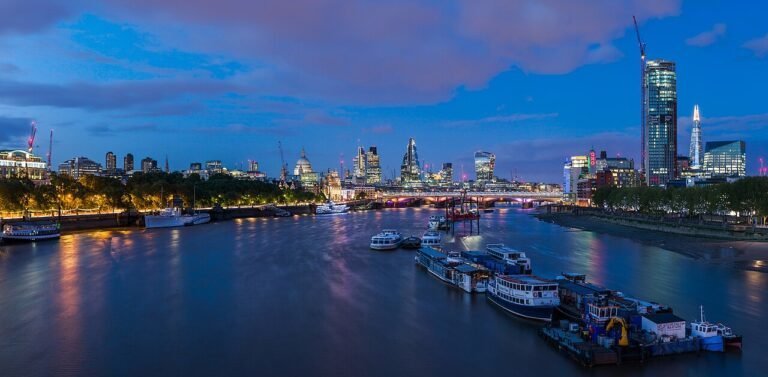
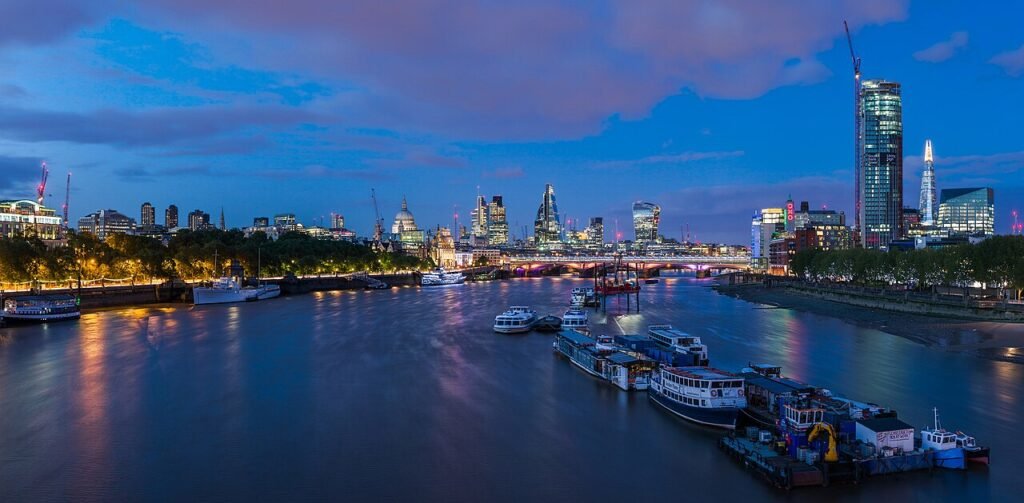
Use the South Bank as a first orientation walk: follow the Thames, pause for river views and leave time for a café rather than trying to cross the entire centre. On another morning explore Islington’s smaller streets or the independent shops around Covent Garden. Keep north, south and west London activities in separate clusters.
Begin with a short orientation outing after checking in. Find a convenient place for breakfast, establish the route to the nearest useful transport stop and work out where you will leave luggage on the last day. These small decisions free up the rest of the weekend. Keep your first evening close to the base if the journey has been long instead of crossing the city simply because a guide lists another famous district.
Arriving and making the first connection
Compare the complete journey from Heathrow, Gatwick, Stansted, Luton or London City, rather than choosing on airfare alone. London also has several mainline rail terminals: your arrival station matters when choosing a hotel. Use Transport for London to plan the final urban journey and check engineering works before each match.
Compare the final destination of each service before buying. A railway station, coach terminus and airport carrying the same city name do not necessarily deliver you to the same neighbourhood. Use the relevant operator and the national railway service for current travel information. Note the last useful connection and keep the accommodation address available offline. Arrival plans should include time for luggage and the walk between platforms or terminals.
Choosing the right neighbourhood to stay
Bloomsbury or the King’s Cross area suits a mixed sightseeing weekend with rail connections. Islington is worth comparing for Arsenal; west London for Chelsea or Fulham. Tottenham and Crystal Palace require different journeys, so a hotel described as central is not automatically convenient for every ground.
Think about the shape of the whole stay. If you are exploring in the morning, attending football later and leaving by train the following day, a well-connected middle ground can beat the hotel nearest any single attraction. Read recent room reviews for sleep, access and noise, and confirm cancellation terms. Travellers who need a lift or step-free entrance should ask about the particular room and route, not just a general accessibility label.
Culture: one visit worth giving time to
Choose one substantial museum visit in South Kensington or Bloomsbury, then make the surrounding neighbourhood the rest of that day’s plan. Major collections can absorb several hours. A theatre performance is a useful alternative evening when your match is on a different day, but fixed show tickets should come after the football schedule is confirmed.
Choose the attraction that actually interests your group and check its own visitor page. A timed ticket creates a commitment; put the most important one on the day least likely to clash with football. Compare the time needed inside with the advertised opening window, allowing for security and cloakrooms. One thoughtful visit followed by a nearby meal often gives you more of the city than several brief admissions connected by rushed transfers.
Food, neighbourhood meals and matchday timing
London’s appeal is its range: compare a neighbourhood bakery breakfast, a market lunch and a booked evening meal. Around a stadium, eat before the busiest arrival wave. Market browsing is best when you have time to compare stalls; it is a poor substitute for a reliable meal immediately before a turnstile deadline.
Build food into the route rather than treating it as whatever is left after sightseeing. Check current menus, service hours and dietary information directly. For a group, agree whether a long shared meal or a quick flexible stop suits the day. Reserve the meal you care most about away from the uncertain stadium return. A relaxed breakfast or market visit can introduce local habits without requiring another substantial evening booking.
Getting around without overfilling the day
In London, choose each outing as a connected area rather than a collection of isolated map pins. Put your hotel, the chosen attraction, the meal and the return stop on the same plan. Check the current public transport network before leaving, especially at weekends. The shortest-looking route may involve stairs, an inconvenient interchange or a long final walk that is less suitable for your group.
Compare individual fares with a pass only after deciding how many journeys you will take. Read the actual validity rules, including airport travel and the boundary of the covered area. Walking can be an enjoyable part of a city break, but it should not become an obligation when someone is tired. Take a shorter route and enjoy the neighbourhood rather than spending the last hour of every day recovering from an overambitious distance.
Your football day in the city
Treat the stadium journey as a substantial outing in its own right. Return to the hotel beforehand if you need to leave shopping or luggage, prepare the admission ticket and take the required identification. Read the current venue instructions for your actual stand and allocation. The outward journey and the post-match return may have different services or crowd arrangements, so check both before heading out.
A good matchday plan has fewer fixed appointments than a free day. Keep a proper meal before departure and an alternative for afterwards. If companions are not attending, agree a sensible meeting place back in the city rather than expecting everyone to meet beside a crowded turnstile. A stadium tour, museum visit and match ticket are separate products with their own calendars and inclusions.
The local club guides cover the specific stadium journey: Arsenal, Chelsea, Tottenham Hotspur, Crystal Palace, Fulham. Choose the guide for the team and fixture you are attending; a city can have more than one stadium or a temporary venue.
A flexible three-day city-and-football plan
Arrival day: settle into your chosen base, find a straightforward meal and take a short first walk. Use London’s nearby streets to get oriented instead of booking a major attraction immediately after a flight or long train journey. Prepare the practical details for tomorrow: tickets, transport notices, a weather check and the right meeting point for your group.
Free city day: make the main cultural visit your anchor, then use a nearby neighbourhood for lunch and a slower walk. Use the South Bank as a first orientation walk: follow the Thames, pause for river views and leave time for a café rather than trying to cross the entire centre. On another morning explore Islington’s smaller streets or the independent shops around Covent Garden. Keep north, south and west London activities in separate clusters. Leave the evening meal long enough to enjoy. If the match falls on this day instead, move the substantial sightseeing to the other full day and reduce the football day to a manageable local outing.
Departure day: have breakfast, revisit a nearby street or enjoy a short café stop, then collect luggage and travel with a comfortable margin. If you have an additional night, use it to deepen the part of the city you enjoyed most. The sequence is deliberately adaptable; it should follow the confirmed match and real transport services, not force the fixture into a rigid sightseeing timetable.
If you have another day
Greenwich offers a separate riverside day; Camden and the Regent’s Canal suit another slower outing. Neither needs to be squeezed between a morning museum and an afternoon match. Travelling with children is easier when a park or playground replaces one more booked attraction.
Before choosing an excursion, compare travel time in both directions and the time you will actually have at the destination. A full day away can be worthwhile, but an awkward connection may leave less useful time than another neighbourhood in the city. Keep longer outings off matchday, and choose a weather-dependent excursion only when you have a worthwhile fallback.
Weather, packing and an indoor alternative
Prepare for rain in any season and check the forecast before committing to a long outdoor route. A light waterproof layer is more practical in a stadium queue than a large umbrella.
Pack for the activities you will really do: walking shoes, a suitable outer layer and a bag that fits any stadium restrictions. Long periods sitting in a stand can feel different from an active afternoon outdoors. Keep one indoor activity and one short neighbourhood route ready as alternatives. Changing the order of the day is often enough to keep a weekend enjoyable when conditions turn.
Budget and booking decisions
Allow a budget in GBP for the room, arrival transfers, urban journeys, food, the match and selected attractions. Separate the must-have bookings from the optional activities before comparing city passes or package prices. A lower room rate can be offset by repeated transport costs; a higher central rate can be wasted if it is central to the wrong part of your itinerary.
For each purchase, know who is selling it, what is included and which changes are possible. Confirm whether a quoted room price includes the charges shown at checkout, and read cancellation deadlines in the stated local time. Avoid counting the same inclusion twice when comparing packages. For football tickets and hotel options, explore Sportstravelonline and compare the details of the actual product offered.
Travelling with family or different access needs
A good group itinerary has options without forcing everyone onto the same difficult route. Check steps, walking distances, toilet access, the availability of a lift and any admission age rules with the actual venue. Break a long sightseeing day with a proper seated meal. If some travellers skip the match, give them a useful local plan rather than leaving them to improvise beside the stadium.
Keep the rhythm humane: one main attraction, one neighbourhood and football already make a substantial day. Ask the accommodation and stadium specific questions before booking if assistance is needed. Descriptions such as central, family-friendly or accessible are a starting point; the details of the entrance, room and journey determine whether the plan works for your group.
Before setting off
Check London’s destination visitor information for current exhibitions, visitor arrangements and local events. Then confirm the club fixture, your booking details and the transport notices closest to departure. Keep a copy of important confirmations available offline and agree a meeting plan with companions. The aim is a weekend with room to enjoy the city, rather than one that depends on every connection and queue behaving perfectly.