
The Football Trips blog
What to Do on a Holiday in Milan: A City Break Beyond the Match
Plan a Milan holiday with time for the major sights, neighbourhood walks, food and football, plus a realistic route for a long weekend.
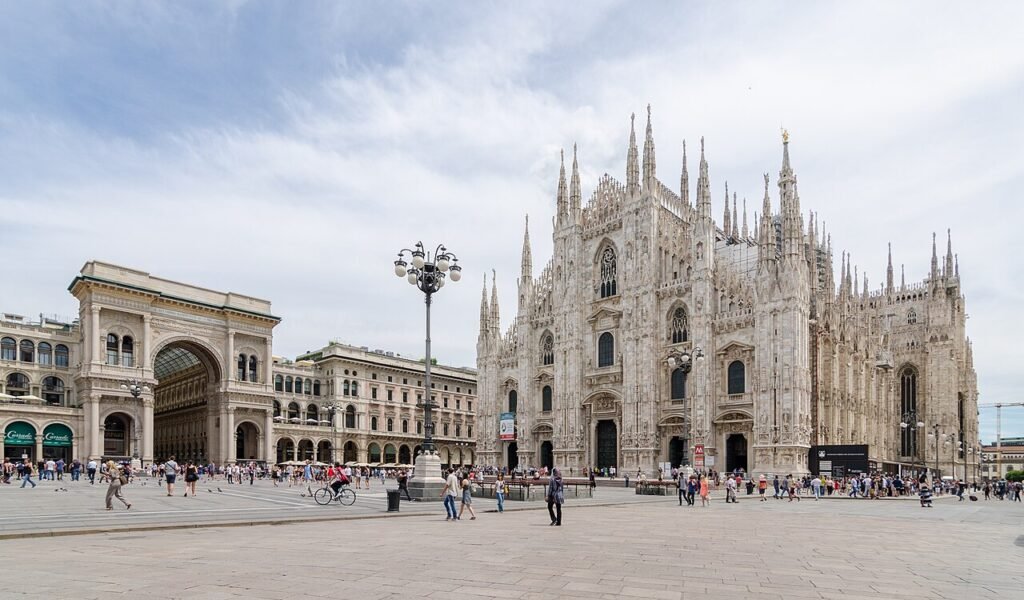
Milan is easy to underestimate if you treat it as a quick stop for the cathedral and a football match. Give it a little time and the city becomes a holiday of contrasting neighbourhoods: monumental squares, quiet courtyards, art collections, canals and streets shaped by design and everyday working life. It is particularly rewarding when you resist crossing town repeatedly and allow one part of the city to set the rhythm of each day.
This guide is designed for a few days with room for both sightseeing and football. Begin with our Milan city guide to choose a base, then use the suggestions below to decide which experiences deserve a reservation and which can remain flexible.
Start with the Duomo and its surroundings
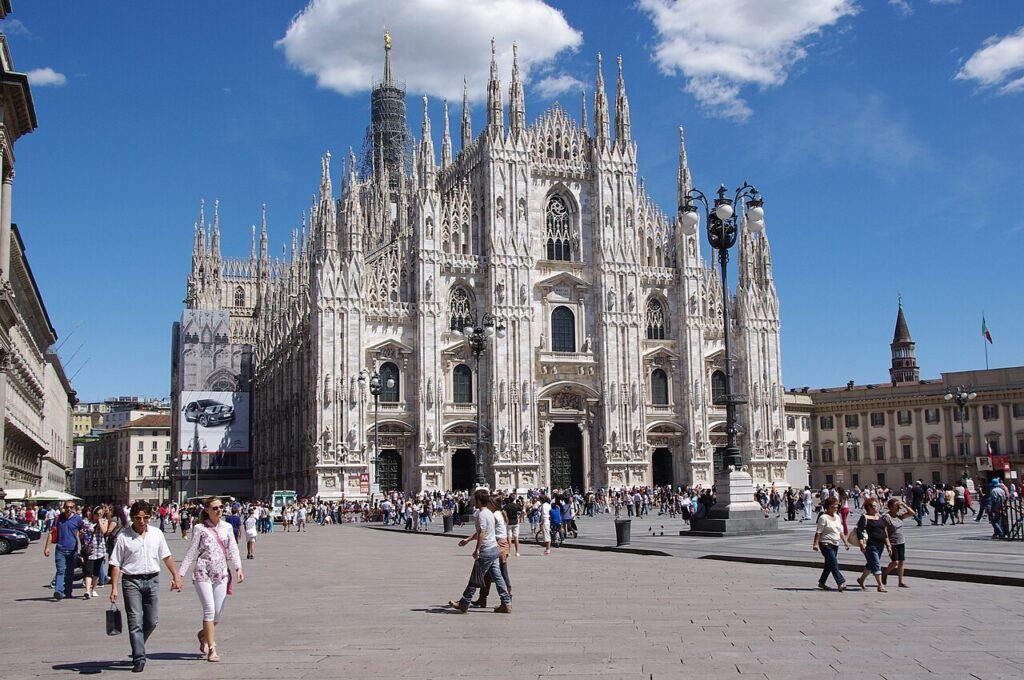
The cathedral is a natural first stop, but there are several different ways to experience it. Decide whether you want the interior, the terraces or a combination, and read the official ticket description carefully. Check whether your chosen terrace access involves stairs or a lift, and remember that different parts of a visit may have separate entrances or procedures. Give yourself enough time to appreciate the detail rather than arriving between two tight appointments.
Afterwards, explore the surrounding square and walk through the Galleria Vittorio Emanuele II. You do not need to make an expensive purchase to enjoy its architecture and atmosphere. Choose a quieter street for a break if the central area feels overwhelming. The point of this first morning is to get your bearings and enjoy Milan’s scale, not to spend your entire sightseeing budget within the first few blocks.
Explore Brera at a slower pace
Brera provides an appealing change from the busiest cathedral streets, with smaller lanes, shop windows and places to pause over lunch. If art is one of your priorities, consider the Pinacoteca di Brera and check its official admission arrangements. A gallery visit is more rewarding when you choose a few works or themes to focus on instead of trying to give every room equal attention.
Leave some of the neighbourhood unplanned. Browse, stop for coffee and follow streets that look interesting without turning every detour into another obligation. Brera is also a useful example of why a compact itinerary works: an art visit, lunch and a walk can form a complete half-day. You can still see another district later, but there is no requirement to add one simply because the map makes it appear close.
For the second half of the day, decide whether to continue towards the castle and park or turn the afternoon into a quieter shopping and café walk. Both can work, but they produce different levels of walking and concentration. Keep any gallery reservation as the anchor and make the other stops optional. A district becomes easier to remember when you spend some ordinary time there, noticing the streets and people between the attractions, rather than leaving as soon as the admission ticket has been used.
Choose a museum rather than collecting them
Milan offers several different cultural directions, from painting to design and science. Pick the one that genuinely interests your travelling group. The Castello Sforzesco area can combine a cultural visit with time around the castle and a walk towards Parco Sempione. Check which collections or exhibitions your ticket covers, since a building name does not always describe a single admission product.
If seeing Leonardo’s Last Supper is essential, investigate the official booking arrangements early. Do not assume you can add it casually after arriving or that a general sightseeing pass includes a confirmed slot. If it does not fit, build a different day instead of allowing one unavailable reservation to dominate the holiday. A well-chosen alternative can be much more enjoyable than spending hours searching for an experience that no longer suits your schedule.
Spend an evening around the Navigli
The Navigli district is a good place to shift from sightseeing to an evening out. Walk along the canals, look at the restaurants and decide whether you want a full dinner or a lighter stop. The atmosphere varies between streets and times of day, so take a little time to choose a setting you like rather than settling immediately at the first busy terrace.
Aperitivo is often part of the appeal, but the word does not promise a particular amount of food or a fixed style of service. Read the actual offer and ask what is included. If your group needs a substantial meal, plan one. Keep the return journey straightforward, especially after a long day on foot, and remember that the streets behind the evening scene are also residential neighbourhoods.
Discover design and contemporary Milan
A second day can explore the city beyond its historic centre. Porta Nuova and the area around Piazza Gae Aulenti offer a different architectural setting, while nearby streets provide opportunities for browsing and lunch. Choose a route that interests you rather than expecting every modern development to function as a conventional tourist attraction. Looking at the city’s changing skyline can be an activity in itself.
Shopping can also be approached as a walk through different areas, from luxury windows to independent stores. Set a budget before making the afternoon revolve around purchases. If fashion is not your interest, substitute a design exhibition, a park or a longer lunch. Milan does not require a single type of visitor; its strength is the ability to combine different interests within a city break that still feels coherent.
Make football a full occasion
For many travellers, the most anticipated moment is the journey to the stadium. Our AC Milan travel guide brings together club context and matchday planning. Confirm the venue and kick-off for your specific fixture, read the seating description and understand how tickets will be supplied. Names, identification requirements and admission conditions should be checked before you leave, rather than discovered at the turnstile.
Keep the hours before the game uncomplicated. Have a proper meal, check the route and leave margin for crowds. After the match, allow the area to clear before expecting a quick connection. If you are considering a stadium tour on a different day, check its timetable independently: match preparation or events can affect what is available. Planning the football carefully gives you more freedom to relax during the rest of the holiday.
Keep food and travel practical
A comfortable Milan day often starts with a simple breakfast and one clear destination. Decide whether you want a quick coffee at the counter or a seated café stop, then check the menu accordingly. For lunch and dinner, look at the whole meal you are ordering, including drinks and any stated cover or service charges. A restaurant beside a famous square can be pleasant, but its location alone does not make it the best choice for your budget.
Public transport helps connect districts without exhausting your feet. Choose a ticket that matches your actual journeys and validate or tap as required. Airport travel needs its own check; do not assume an urban ticket covers every train or shuttle. Read our Milan prices and holiday budget guide before deciding how much to reserve for accommodation, transport, meals and paid attractions.
A balanced three-day Milan holiday
For a first visit, put the Duomo and central streets on one day, Brera and the castle area on another, and football or a contemporary neighbourhood on the third. An evening around the Navigli can fit whichever day leaves you with the most energy. Swap indoor and outdoor plans according to the weather, and keep departure day light enough that you are not carrying bags through a major attraction.
If you have more time, add depth before adding distance. Another gallery, a neighbourhood lunch or a return to a favourite café may be better than a rushed excursion. Milan is a working city as well as a destination, and part of its appeal comes from observing that daily life. Give the famous sights their place, leave room for ordinary pleasures and let the football weekend become a holiday with its own shape.