
The Football Trips blog
What to Do on a Holiday in Rome: A City Break Beyond the Match
Plan a Rome holiday with time for the major sights, neighbourhood walks, food and football, plus a realistic route for a long weekend.
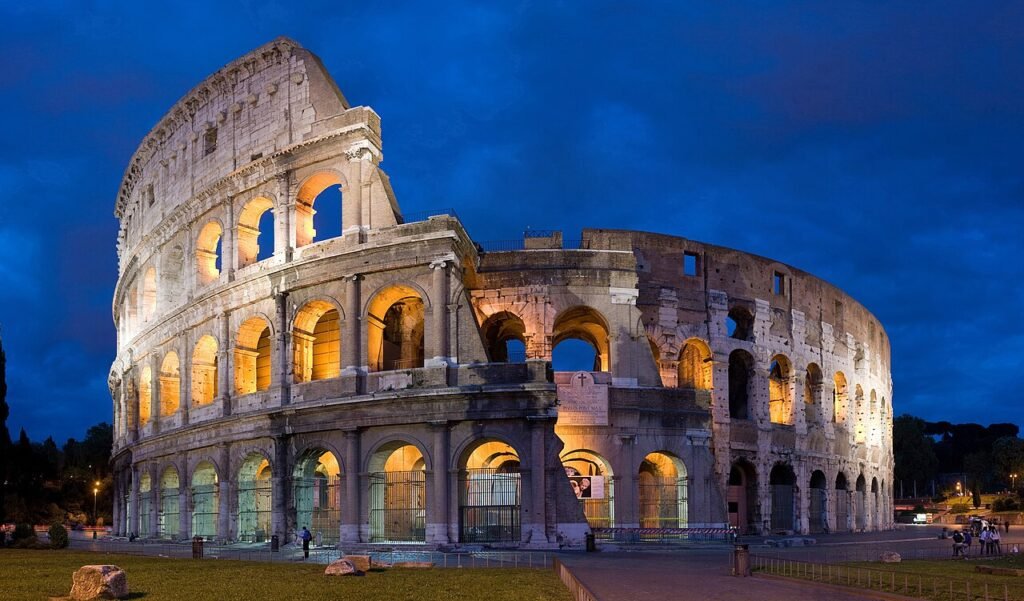
Rome rewards a holiday with a little room to breathe. Its famous sights are extraordinary, but the journey between them is part of the attraction: a fountain at the end of a narrow street, a bakery opening for breakfast, a sudden view across the Tiber. You can spend the whole visit collecting monuments and still miss the pleasure of being here. A better approach is to organise each day around one part of the city, book the places that matter most and leave the remaining hours flexible.
This guide suggests a practical balance of ancient sites, neighbourhood walks, food and football. It works particularly well for a long weekend, although an extra day gives you more time for museums or an excursion. Start with our Rome city guide when choosing your base and planning journeys across the capital.
Give ancient Rome a proper morning
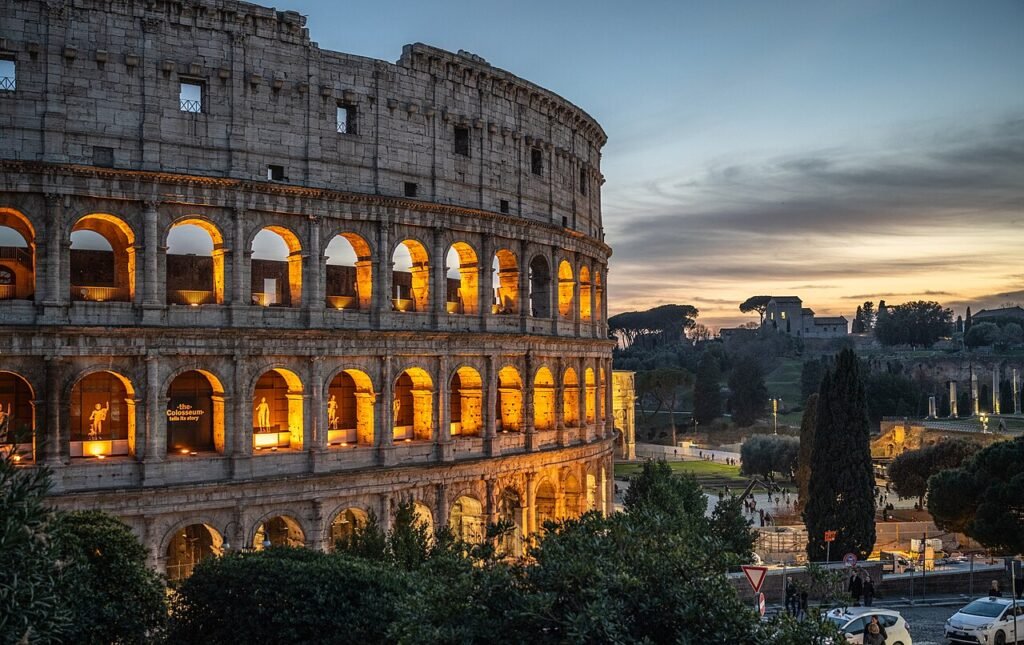
The Colosseum, Roman Forum and Palatine belong together geographically, but they should not be treated as a quick photo stop. Choose the official ticket option that matches what you want to enter, check its timing and allow for security and walking. Access arrangements can differ between ticket types. Read the description before assuming an underground area, guided visit or special route is included.
Within the Forum, pause at viewpoints instead of trying to identify every fragment at once. A simple map or a thoughtful guide helps turn scattered columns and foundations into an understandable urban landscape. Bring water and wear shoes suited to uneven ground. In warm weather, schedule a quieter indoor stop afterwards. The point is to enjoy the scale and atmosphere without making the rest of the day a test of endurance.
For a quieter change of scene after the archaeological area, choose a small route through Monti rather than immediately travelling to the opposite side of Rome. Sit down, check the next part of the day and decide whether you still want another formal visit. The distance between two map pins does not account for security queues, uneven surfaces or the time spent standing. Building a proper pause into this particular morning makes it much easier to appreciate what you have just seen and to enjoy the evening that follows.
Walk the historic centre as a connected route
The Pantheon, Piazza Navona and the streets around Campo de’ Fiori make a satisfying walking area. Add the Trevi Fountain if it fits your pace, but resist the temptation to turn the route into a race between landmarks. A short detour down a quieter street can be more enjoyable than spending another hour in the busiest squares. Keep any timed admission separate from your free wandering time.
Stop for coffee somewhere you can read the menu before ordering, and decide whether you want a quick counter break or a longer seated pause. These are different experiences, often with different prices. Churches can offer welcome moments of stillness, but remember that they remain places of worship. Check visiting arrangements, dress appropriately and avoid treating a service as an obstacle to sightseeing.
Make the Vatican a deliberate choice
The Vatican Museums and St Peter’s Basilica are separate visits with different arrangements. Decide whether you want art collections, the basilica, a dome experience or a combination, then verify the appropriate official booking route. A museum reservation does not remove the need to understand other entrances, queues and security procedures. Group the day around the Vatican and nearby Prati rather than adding a distant attraction afterwards.
Art lovers should choose a few priorities before entering the museums. Large collections are more rewarding when you have enough attention left to look closely. If your interests lie elsewhere, you do not have to include every famous venue simply because it appears on a checklist. An unhurried afternoon in another neighbourhood can be a better use of limited holiday time than an expensive visit you never especially wanted.
Cross the river for Trastevere and Testaccio
Trastevere is a good place to change the rhythm of your holiday. Wander its smaller streets, explore the area around Santa Maria in Trastevere and leave time to choose somewhere for lunch. The neighbourhood becomes busy, particularly around popular eating streets, so do not assume every lane will be peaceful or every restaurant will be a hidden discovery. Look for a menu and a setting that suit you.
Testaccio offers a different lens on Rome, with food, everyday streets and a strong neighbourhood identity. Build a small route rather than trying to cover both districts exhaustively in one evening. You might combine a market visit with a walk, or settle into a long lunch and keep the afternoon open. The appeal lies in spending time beyond the headline monuments, not in claiming to have found a Rome untouched by visitors.
Choose meals that become part of the day
Food is easier to enjoy when you plan around your appetite rather than a list of fashionable addresses. Try a Roman pasta dish you are curious about, order vegetables or a starter to share and make space for a relaxed meal. Carbonara, cacio e pepe, amatriciana and gricia offer different combinations of cheese, pepper, cured pork and tomato. Ask about ingredients if you have dietary requirements rather than relying on a dish name alone.
A bakery lunch or a slice of pizza can be useful between visits, while dinner may deserve more time. Check the menu, any stated service charges and the booking conditions before sitting down. Avoid making every meal another appointment across town. Choosing a restaurant near your final sightseeing stop can save a surprising amount of travel and make the evening feel like a holiday rather than a timetable.
Leave space for parks and smaller discoveries
Villa Borghese provides a useful change from dense streets and major monuments. A walk, a bench and time outside can be enough; you do not need to fill a park visit with additional activities. If you want the Galleria Borghese, check its own reservation rules and organise your route around the confirmed slot. A park and its museum should not be assumed to have identical access arrangements.
For a longer stay, consider an excursion to Ostia Antica. Its archaeological setting offers a different way to think about Roman life, beyond the imperial centre. Check the current transport and admission details before committing a day. Alternatively, keep your final afternoon in Rome for a neighbourhood you liked on arrival. Returning to a favourite street is often more satisfying than squeezing in a new attraction with your luggage in tow.
Build a football day around the journey
If you are combining sightseeing with a match, reserve a generous part of the day for football. Read our AS Roma travel guide for the club context and matchday planning. Confirm the fixture, venue and ticket conditions through the relevant booking information. Do not make assumptions about dates, seats together or stadium access based on an old screenshot or a provisional schedule.
Keep the sightseeing before the match close to your starting point, eat before you become rushed and understand your route home. Allow for queues and the slower movement of a large crowd after the final whistle. A stadium tour on another day can be a useful alternative if the match does not fit your dates, but check availability independently. Football should give the weekend its focus without consuming every other decision.
A manageable three-day holiday
For a first visit, devote one day to ancient Rome and an easy historic-centre walk, another to the Vatican or a museum you genuinely want to see, and a third to neighbourhoods, parks or football. Swap the order to suit your reservations and the weather. Keep one substantial booking per half-day at most, with time for meals and movement between places. Travelling with children or less mobile companions may mean choosing fewer stops, which is perfectly compatible with a memorable visit.
Before booking the football part, our football ticket options guide can help you compare what is included. Then finish the itinerary with practical details: the hotel journey, bag storage, arrival time and a realistic departure plan. Rome is unlikely to be exhausted in one holiday. The most successful first trip leaves you with a clear sense of the city and several reasons to return.