
The Football Trips blog
A History of Liverpool: A Traveller’s Guide to the City
Understand Liverpool through the turning points, communities and places that shaped it, with historical context you can explore during a city break.
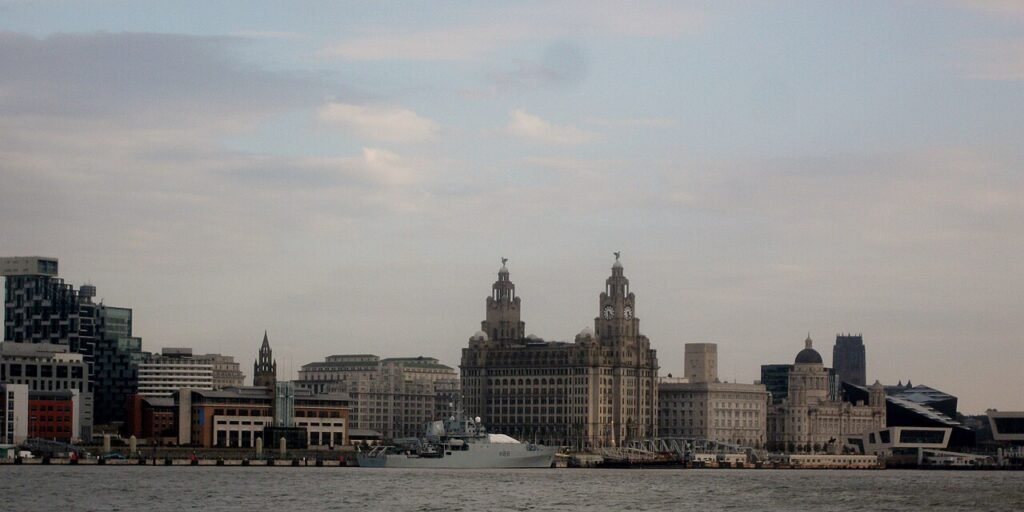
Liverpool’s history begins beside the Mersey, but it reaches far beyond the waterfront. Shipping connected it to global trade; migration shaped its communities; music and football carried its name around the world. Its most impressive buildings are evidence of commercial ambition, while its museums and neighbourhoods reveal more complicated stories of labour, exploitation, belonging and change. Understanding those connections makes a visit richer than treating the docks as an attractive backdrop.
This introduction follows several themes you can explore during a city break. It is not an attempt to reduce Liverpool to one identity. Our Liverpool city guide provides the practical context for turning the history into a walkable itinerary.
From a small settlement to a chartered town
King John granted Liverpool a royal charter in 1207, a date recorded by the city’s port authority. The settlement’s relationship with the estuary was central to its development, but the great waterfront familiar today came much later. It helps to separate the medieval town from the enormous commercial port that subsequently grew around and beyond it.
When looking for early Liverpool, do not expect a complete medieval townscape. Later expansion and rebuilding changed the physical centre substantially. Street patterns, historical records and archaeological interpretation can tell stories that surviving façades alone cannot. This is a useful starting point for the whole city: the most visible period is not necessarily the earliest or the most important to the people who lived through it.
The Old Dock changed how the port worked
The Old Dock opened in 1715. National Museums Liverpool describes it as the world’s first commercial enclosed wet dock, a development that helped ships handle the difficult relationship between loading operations and the tide. Rather than seeing it simply as a technical curiosity, think about what a more reliable working environment meant for the movement of goods, the timing of trade and the growth of businesses around the port.
Archaeological remains beneath the modern city give this story a particularly striking setting. Check current access arrangements before planning a visit or tour. Even if you only study the interpretation from elsewhere, the dock is a reminder that infrastructure can transform a city without resembling a palace or cathedral. An apparently practical engineering decision can influence streets, employment and commercial confidence for generations.
Prosperity and the transatlantic slave trade
Liverpool’s eighteenth-century expansion was deeply connected to the trafficking of enslaved Africans. Ships, merchants, finance and manufactured goods formed part of a brutal system that generated wealth through the forced movement and exploitation of people. The International Slavery Museum’s collections address the lasting impact of that history on Liverpool and the wider world. It belongs at the centre of the city’s story, not in a discreet footnote.
When you admire commercial architecture, keep those wider connections in view. Buildings do not always reveal the origins of the wealth that paid for them, and celebrated civic success can conceal profoundly unequal experiences. A museum visit can help place names, objects and trade routes in context. Check where relevant displays are currently available before travelling; redevelopment or changing arrangements can affect the location and accessibility of collections.
Warehouses, docks and the working waterfront
The Albert Dock opened in 1846, reflecting a later phase of Liverpool’s maritime growth. Its substantial warehouse buildings and enclosed water make the organisation of the port easier to read. Goods needed to be unloaded, stored, accounted for and moved onwards. The architecture was part of that working system, built around practical demands as well as an expression of commercial strength.
Walk slowly enough to notice entrances, surfaces and the relationship between buildings and water. Today’s restaurants and visitor attractions represent a different use of the same setting. It is possible to enjoy the waterfront while remembering that it was once an environment of demanding physical work. The contrast between its current leisure role and its earlier function is one of the most useful historical experiences the city offers.
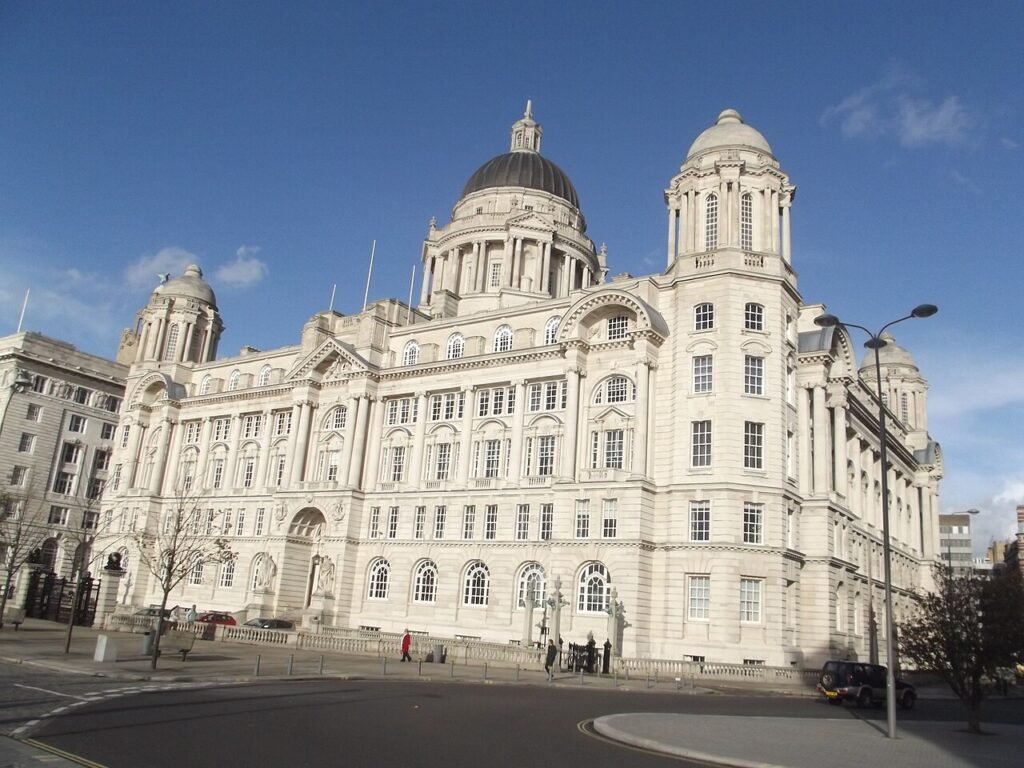
The best viewpoint is not always the widest panorama. Stand beside a warehouse opening and consider how a shipment would have moved between water, storage and the streets beyond. Look at the dimensions needed for that work, then compare them with the smaller scale of a nearby café or visitor entrance. This helps separate the building’s original purpose from its present use. You can enjoy the restored setting while still recognising the labour, organisation and commercial relationships that made such a large working waterfront necessary.
A port city made through movement
People arrived in Liverpool to work, trade, escape hardship or travel onwards. Its communities developed through those movements, including strong connections with Ireland and many other parts of the world. A port is never only about cargo. It is also a place where languages, family ties, religious practices and ideas meet, sometimes under welcoming conditions and sometimes in the face of prejudice or exclusion.
Neighbourhood history adds depth to the grand waterfront story. Look for local interpretation, community institutions and accounts of everyday life rather than assuming the largest public buildings tell the whole story. Migration can be discussed through individual experiences as well as broad demographic change. It is those personal decisions and circumstances that make a city’s connections understandable, especially when a visitor’s own journey is another small part of the same landscape of movement.
Music and the making of an international image
The Beatles became central to Liverpool’s worldwide identity during the 1960s, and music remains a powerful way into the city. Yet it is helpful to distinguish the history of particular musicians from the broader story of venues, audiences, records and performance. A successful act does not appear without a local environment in which people listen, meet, rehearse and develop their own tastes.
Visit music-related places with that wider context in mind. A famous address can be enjoyable, but a thoughtful exhibition or live performance may tell you more than a quick photograph. Check the history of the specific site rather than assuming every present-day venue is physically unchanged from an earlier era. Liverpool’s musical appeal includes both the memory of internationally famous performers and the experience of a city continuing to make and enjoy music.
Football as community history
Football gives another perspective on belonging, memory and neighbourhood identity. Supporting a club can connect families and friends across generations, while stadium journeys establish familiar routes through the city. Liverpool’s football story is not only a catalogue of trophies. It also involves supporters, work, travel, shared rituals and the ways people describe their relationship with a place.
Our Liverpool FC travel guide helps connect a match visit with the wider city. Take time to understand supporter traditions respectfully rather than expecting every local conversation to reproduce a rivalry narrative. If you visit a stadium museum, look beyond the winning moments for evidence of changing grounds, crowds and everyday fan experience. A club’s history is part of the city, but no single team can stand for everyone who lives there.
Reading a changing city today
Changes in shipping and economic life altered the waterfront and the work available around it. Later regeneration gave former commercial spaces new functions, including cultural and leisure uses. These changes can produce attractive destinations while also raising questions about whose history is presented and who benefits from redevelopment. Treat the present city as another historical layer rather than the final chapter of an inevitable recovery story.
For a useful comparison, read our Manchester history article. The two cities were connected by trade and transport long before their sporting rivalries became familiar to visitors. In Liverpool, combine a waterfront walk with museum interpretation and time in an ordinary neighbourhood. You will understand more by connecting those experiences than by trying to identify a single definitive symbol of the city. Its history is strongest when commerce, people, culture and difficult memories remain in the same picture.